Roadmap board
Now, Next and Later columns for every initiative, with owners, evidence and a stage anyone can change.
One shared product rhythm
Give the idea a home, make the trade-offs visible and set a release rhythm your team can keep.
In every workspace
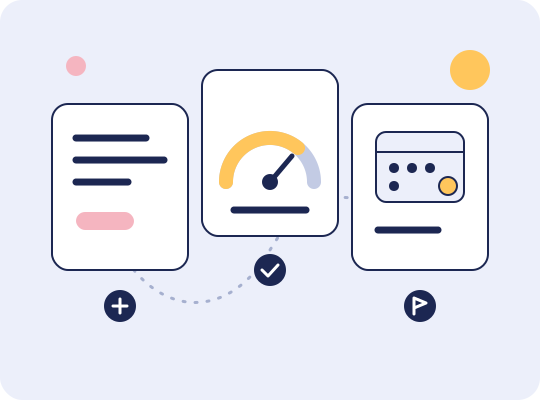
Now, Next and Later columns for every initiative, with owners, evidence and a stage anyone can change.
Reach, impact, confidence and effort in the open. Edit the inputs and watch the order change.
Pick a release scope, set weekly capacity and see the week each initiative should land.
Every stage change and score edit is kept with who made it and why, ready for the next review.
Keep the slices you check every week, such as “Engineering, Next” or “Customer requests”.
A short Monday summary of what moved and what’s waiting for a decision, sent to the people who need it.
“We moved six teams off three spreadsheets in a fortnight. The Monday digest replaced a meeting nobody liked.”
Security and trust
Plans hold unreleased ideas, customer evidence and dates. We look after them the way you would.
Ask for our security packUseful boundaries
Separate an idea from a commitment. Keep the reason beside the work. Review the plan when the evidence changes.
Open the roadmap workspaceStart with Now, Next and Later. Put a handful of initiatives in each and agree which problem matters most. Add scoring when it helps.
No. The roadmap shows direction. The capacity plan gives selected initiatives an estimated release week. Keep uncommitted ideas in Later.
Your team does. Planwick makes the inputs visible. A score is useful evidence, not an instruction.
Yes. Import a spreadsheet or connect your issue tracker. We match identifiers, owners and stages before anything is created.
Only the people you invite. Planning seats can edit; anyone else you share a view with can read it without a paid seat.
Most teams have a working roadmap in an afternoon. Team and Scale plans include a guided setup call with one of us.